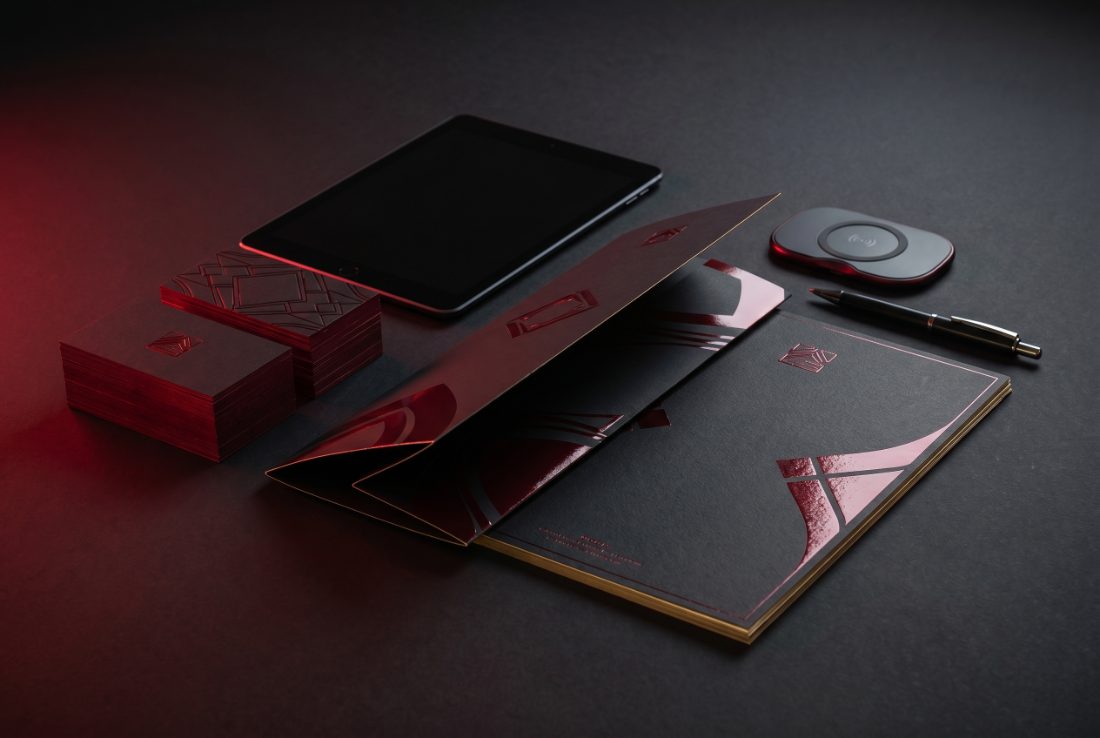
Your prospect's inbox has 4,000 unread emails. Their mailbox has three pieces, and one of them is yours — heavy stock, beautifully printed, with their name on it. Which one are they more likely to remember?
Direct mail got written off as old-fashioned right around the time everyone piled into digital. That's exactly what makes it work again.
Scarcity is the whole advantage
A decade ago, the inbox was the uncrowded channel and the mailbox was full. Today it's reversed. Digital channels are saturated; physical mail volume has dropped. A well-designed piece now stands out because so few brands send one.
- It's tangible — it sits on a desk instead of vanishing in a scroll
- It feels personal in a way a templated email can't
- It carries authority — a real, printed piece signals a real, serious business
It works best alongside digital, not instead of it
The mistake is treating print and digital as rivals. The brands getting results use them together:
- A direct-mail piece lands and creates a memorable first impression
- It points to a personalized landing page built for that campaign
- Digital retargeting reinforces the message in the following days
The physical piece earns attention. The digital follow-up converts it.
Where it shines
Direct mail punches above its weight when:
- You're reaching a high-value, well-defined audience where each conversion is worth real money
- You want to re-engage customers who've gone quiet online
- You're launching something that deserves a moment of ceremony
The catch
Done badly, direct mail is just expensive junk mail. Done well — sharp targeting, premium design, a clear reason to act, and a digital path to follow — it's one of the most underused tools in marketing.
We design, produce, and deliver campaigns end to end, and tie them back to your digital funnel so you can measure what they're worth. Request a quote and let's make something worth holding onto.